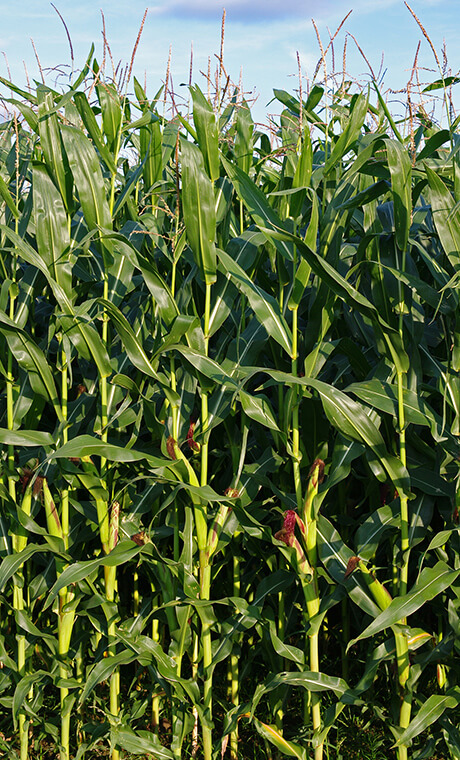
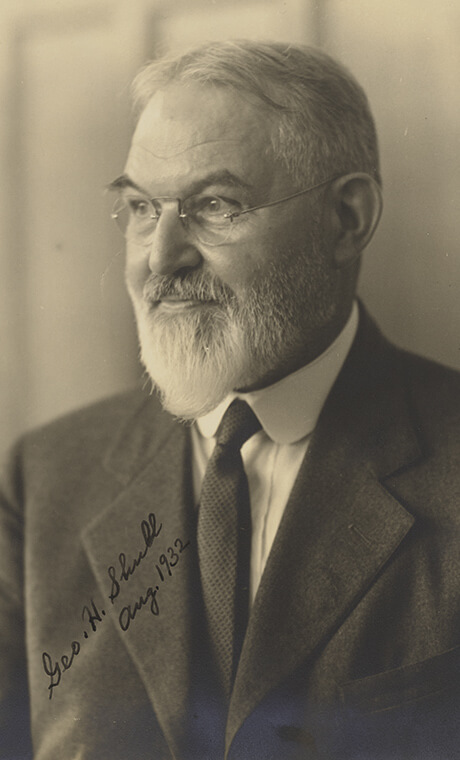
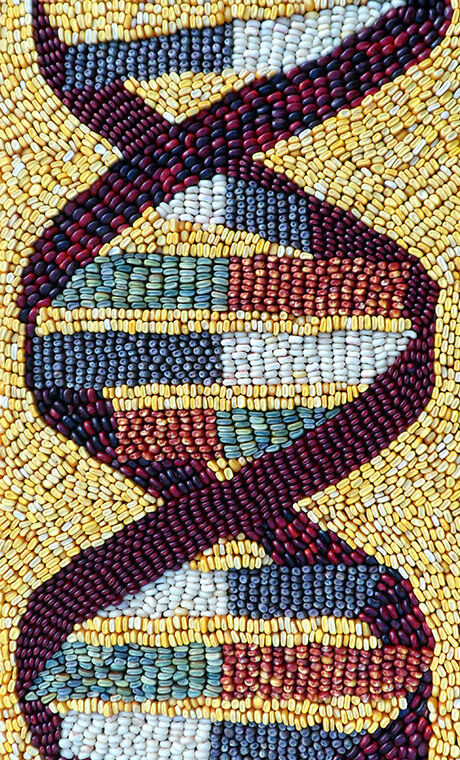
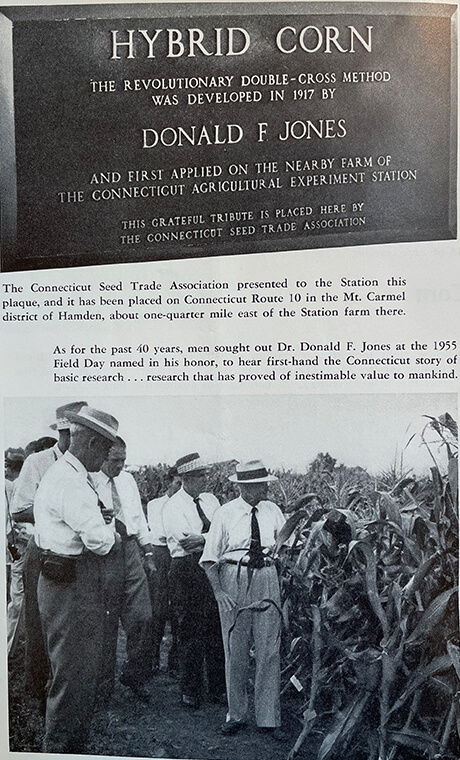
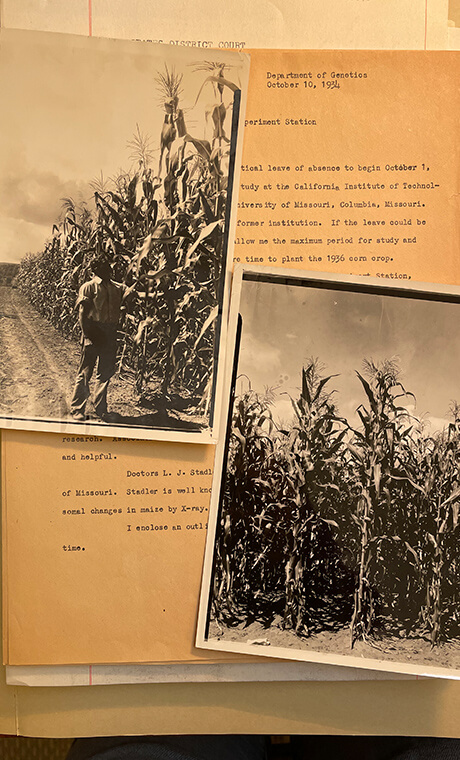
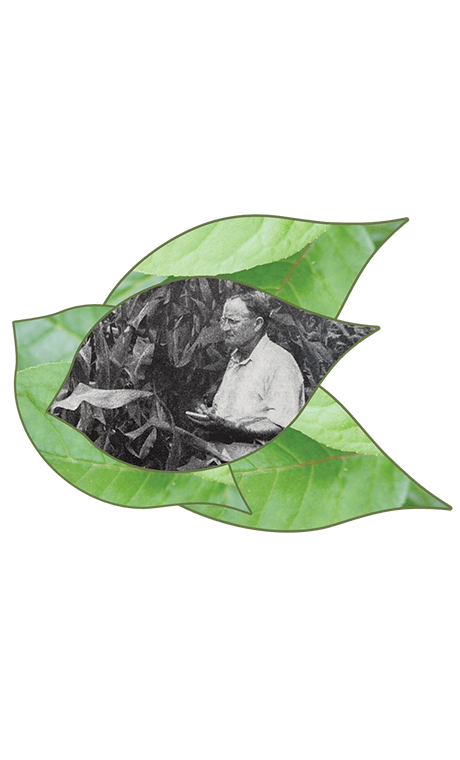
The Upshot: While carrying out basic research on inbreeding in maize at the Carnegie Institution’s Long Island research station at Cold Spring Harbor in the early 1900s, George Shull made a discovery that would revolutionize agriculture around the world. His work built on previous science and was further developed by others, including Donald Jones at the Connecticut Agricultural Experiment Station in New Haven, Connecticut. As with many important discoveries, its future applications and effects were not immediately obvious. More than this, to go from Shull’s insight about inbreeding and hybrid vigor in maize to the massive increase in food production for which hybrid corn was responsible by the middle of the twentieth century required the work of many different people in different places. Shull wasn’t always given the credit for this discovery — for scientists in the thick of research, with personal connections and experiences sometimes looming larger than the desire to double-check everything they heard about other people’s work, his work was sometimes overshadowed by that of his colleagues, particularly Edward M. East. The process of discovery and development of hybridization in corn is complex and messy — just like nearly anything involving human intellects and human egos.
Plants need nitrogen to grow, but a significant portion of the nitrogen in fertilizers is not absorbed by the soil or used by the growing plants. Rather, it washes away into waterways, rivers, and the ocean. This in turn has had devastating effects on marine life. In some areas, excessive nitrogen in the oceans has caused algae blooms that kill wildlife, make it dangerous for people to consume fish or shellfish or in some cases even swim in affected waters. This problem isn’t limited to poorer countries. Nitrogen pollution is a serious problem here on Long Island. In our case, the nitrogen comes primarily from septic tanks and cesspools, although nitrogen from agricultural fertilizers also plays a role. Nitrogen pollution in the waters around Long Island has hampered fishing, made it dangerous to eat seafood from some areas, and caused environmental changes that make coastal areas more prone to flooding.